- 站內(nèi)搜索
- 站外搜索
熱門關(guān)鍵詞: 小學(xué)四年級(jí)語文 三角形 三角形 八年級(jí)歷史 搖籃曲 端午節(jié)的由來

熱門關(guān)鍵詞: 小學(xué)四年級(jí)語文 三角形 三角形 八年級(jí)歷史 搖籃曲 端午節(jié)的由來
聯(lián)系本站客服加+微信號(hào)15139388181 或QQ:983228566 |
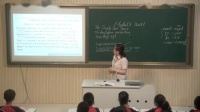
視頻標(biāo)簽:外研版初中
所屬欄目:初中英語優(yōu)質(zhì)課視頻
視頻課題:外研版初中英語七年級(jí)下冊(cè) 7B Module 8 story time Unit 3 Language in use黑龍江省優(yōu)課
本視頻配套資料的教學(xué)設(shè)計(jì)、課件 /課堂實(shí)錄及教案下載可聯(lián)本站系客服
外研版英語七年級(jí)下Module 8 Unit 3教學(xué)設(shè)計(jì)
課題 7B Unit 3 Language in use 單元
Module 8 學(xué)科
英語
年級(jí)
七下
學(xué)習(xí) 目標(biāo)
知識(shí)與技能目標(biāo):行為動(dòng)詞的一般過去時(shí)態(tài)的用法。
過程與方法目標(biāo):能夠用行為動(dòng)詞的過去式描述過去發(fā)生的動(dòng)作或存在的狀態(tài)。 情感態(tài)度與價(jià)值觀目標(biāo):通過學(xué)習(xí)童話故事掌握復(fù)述故事的能力。
重點(diǎn) 行為動(dòng)詞的過去式的用法。
難點(diǎn) 能夠用行為動(dòng)詞的過去式描述過去發(fā)生的動(dòng)作或存在的狀態(tài)
教學(xué)過程
教學(xué)環(huán)節(jié) 教師活動(dòng)
學(xué)生活動(dòng) 設(shè)計(jì)意圖 導(dǎo)入新課
Revision
復(fù)習(xí)如何復(fù)述故事
復(fù)習(xí)舊知引入新知
講授新課
1.Language practice:Pair work: Ask and Answer
2. Grammar
1).肯定結(jié)構(gòu):主語+過去式+其他。 He walked to school yesterday.
2). 疑問結(jié)構(gòu):Did+主語+動(dòng)詞原形+其他? Did he walk to school yesterday? Yes, he did./No, he didn’t.
3).否定結(jié)構(gòu):主語+didn’t+動(dòng)詞原形+其他。 He didn’t walk to school yesterday. 3.fill in the blanks
He ___________on the door yesterday.
She ___________some flowers last weekend. He ___________in the room last night.
Work in pairs.
掌握行為動(dòng)詞過
去式一般疑問句的用法。
行為動(dòng)詞的一般過去時(shí)態(tài)結(jié)構(gòu)
They ___________a kite last weekend.
4.用法:表示在過去某個(gè)時(shí)間發(fā)生的動(dòng)作。常和表示過去的時(shí)間狀語連用,如:once, once upon a time, last week, in 1990, just now, yesterday, two days ago etc.
They played football last Saturday.
表示過去一段時(shí)間經(jīng)常或反復(fù)發(fā)生的動(dòng)作。常和表示頻率的副詞連用,如:always, usually, often, never等。
His father often returned home late last month. 5. Do exercises: Activity 1
answer enter hurry jump like notice point return try
1. Baby bear _______at the girl in his bed. 2. She _______ the house. 3. Goldilocks ________ out of bed. 4. She _______ to the little house.
5. The Three Bears didn’t ______ the door because they were out in the forest.
6. The Three Bears didn’t ______ Goldilocks in bed at first.
7. Goldilocks didn’t _______to that part of the forest again.
8. —Did she ______ the small chair first?
Complete the sentences with the
correct form of the words
行為動(dòng)詞過去式的變化規(guī)則
行為動(dòng)詞過去式的用法
練習(xí)行為動(dòng)詞過去式的用法
—No, she didn’t. She tried the big chair first. 9. — Did she ______ the small bed?
—Yes, she did. Activity 2
answer ask enter knock look notice pick walk want
Once upon a time there was a small boy called Tom. One day Tom _______to go for a walk in the dark forest. He _______ for a short time and then he _______some flowers. Next, he _______ a little house. He ________ on the door but nobody __________ . He _______ the house. There____ a big table, a big chair, a big bowl and a big bear. Then Tom _____ at the bowl of food with big eyes. The bear _____ Tom,“Are you hungry? Try some of my food.” Tom tried the food. Then they were good friends. 1. Did Tom want to go for a walk in the dark forest? 2. Did he pick a lot of blue flowers? 3. Did he notice a house? 4. Did he knock on the door first? 6. Around the world
All around the world parents tell their children fairy tales. The stories are exciting (令人激動(dòng)的) and children enjoy listening to them again and again. In the stories, animals often speak and sometimes people become animals. The stories usually begin(開始) with “Once upon a time….” 7.Module task
Complete the sentences with the
correct form of the words
及時(shí)鞏固行為動(dòng)詞過去式的用法
8. Show time
Homework:
1.Finish writing the story.
2.Finish the Exercises on Page 105 to Page 107 in R and E.
Put the sentences together
to make a story. Remember use words like and, so,
but, because, first, next, and then and finally.
綜合運(yùn)用語言能力
利用希沃授課助手把學(xué)生的作品拍照上傳,一起分享,直接對(duì)編寫的故事進(jìn)行修改,直觀方便。
課堂小結(jié) 本節(jié)課重點(diǎn)學(xué)習(xí)了行為動(dòng)詞的過去式的用法。通過設(shè)置情境讓學(xué)生在真實(shí)的語言環(huán)境中掌握了行為動(dòng)詞過去式的用法以及如何復(fù)述故事,最后通過一篇寫作鍛煉了學(xué)生綜合運(yùn)用語言的能力。通過現(xiàn)代化技術(shù)手段希沃授課助手,方便、快捷、直觀,對(duì)學(xué)生的作品直接上傳、分享、與修改,提高了課堂效率。
板書 Module 8 Unit 3 Language in use The Simple Past Tense: 1.肯定:S+V-ed+其他。 He walked to school yesterday. 2. 疑問:Did+S+V+其他? Did he walk to school yesterday? Yes, he did./No, he didn’t. 3.否定:S+didn’t+V+其他。 He didn’t walk to school yesterday.
視頻來源:優(yōu)質(zhì)課網(wǎng) www.www.fsyixinda.com

首頁 | 網(wǎng)站地圖| 關(guān)于會(huì)員| 移動(dòng)設(shè)備| 購買本站VIP會(huì)員

本站大部分資源來源于會(huì)員共享上傳,除本站組織的資源外,版權(quán)歸原作者所有,如有侵犯版權(quán),請(qǐng)和本站聯(lián)系并提供相關(guān)證據(jù),我們將在3個(gè)工作日內(nèi)改正。
Copyright© 2011-2021 優(yōu)質(zhì)課網(wǎng) 版權(quán)所有 by dedecms&zz 豫ICP備11000100號(hào)
工作時(shí)間: AM9:00-PM6:00 優(yōu)質(zhì)課網(wǎng)QQ客服:983228566 投稿信箱:983228566@qq.com